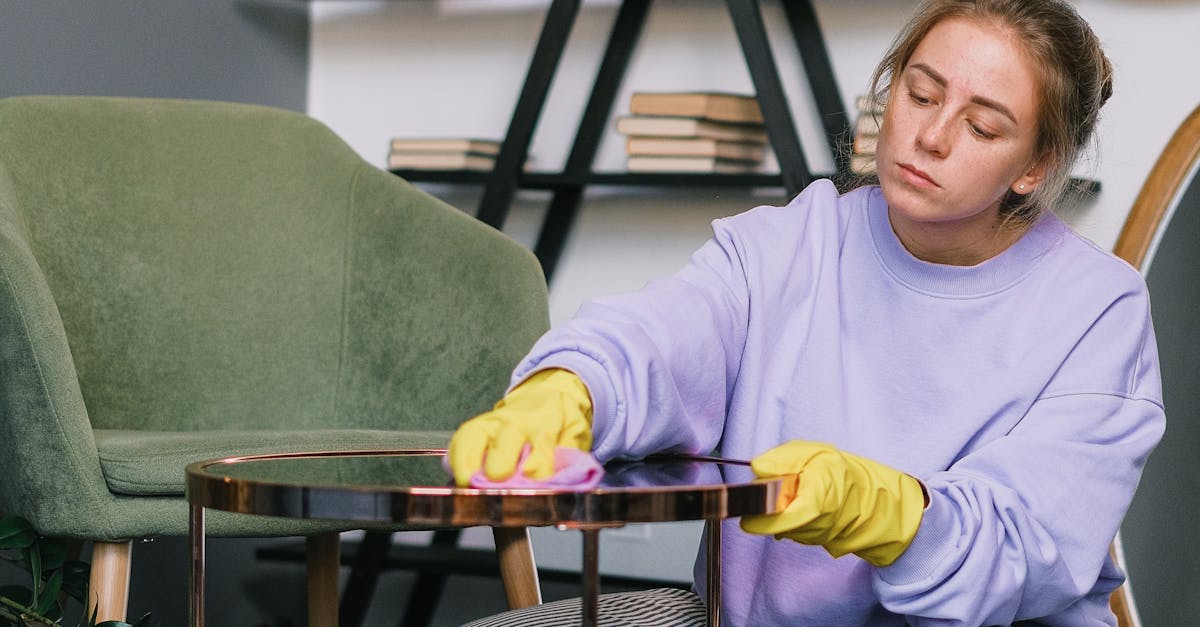
What is the chaos method of decluttering?
Step-by-Step Guide to Implementing the Chaos Method
To embark on the journey of decluttering using the chaos method, begin by selecting a specific area or category. This could range from a single drawer to an entire room. The key is to focus on one space at a time. Set a timer for a manageable duration, such as 20 minutes, to maintain momentum while avoiding overwhelm. During this period, gather all items within the chosen space. This step creates a visual inventory of what needs to be sorted.
Next, categorize the items into three distinct groups: keep, donate, and discard. Be decisive during this process, allowing yourself to let go of items that no longer serve a purpose. Trim down the "keep" pile, focusing only on items that truly add value or joy to your life. Once categorized, take immediate action on the donate and discard piles, eliminating any temptation to second-guess your decisions. Continuously assess your progress and adjust strategies as needed to enhance efficiency in future sessions.
Check out this site for more information.
Detailed Process for Effective Decluttering
The chaos method encourages a focused approach to decluttering by emphasizing action over perfection. Start by gathering all items from a specific category, such as clothing or books, and placing them in a central location. This visual array allows for an immediate assessment of what you own. As you sift through each item, ask yourself if it brings joy or serves a useful purpose in your life. If it doesn’t meet either criterion, it’s time to let go.
Rather than organizing items as you go, the chaos method advocates for a designated decluttering session. Set a timer for a short period, like 20 to 30 minutes, and work steadily until the timer goes off. During this time, concentrate solely on making decisions about the items in front of you. After the timer signals the end of the session, take a brief break, then continue the process with renewed energy. This structured timing keeps momentum and motivation high throughout the decluttering journey.
Common Challenges with the Chaos Method
Many individuals encounter difficulties while trying to adopt the Chaos Method for decluttering. One common challenge is the overwhelming nature of sorting through large amounts of belongings, leading to frustration and the temptation to abandon the process. This emotional burden can hinder decision-making, as people may feel torn between keeping items that hold sentimental value and those that no longer serve a purpose in their lives.
Another issue arises when practitioners struggle to maintain momentum. The initial enthusiasm may wane as the task drags on, resulting in prolonged periods of inactivity. Distractions from daily life can also disrupt the decluttering schedule, making it challenging to commit consistently to the method. This inconsistency can lead to a cluttered environment once again, causing individuals to question the effectiveness of the Chaos Method.
Overcoming Obstacles and Setbacks
Many individuals encounter emotional hurdles when starting the decluttering process. Sentimental items often make it difficult to let go, leading to indecision and frustration. Acknowledging these feelings can be the first step towards overcoming them. Setting aside time to reflect on the emotions tied to belongings can help. Once acknowledged, individuals can focus on the purpose behind decluttering and how it can enhance their living space.
Another common challenge involves maintaining momentum throughout the decluttering journey. It’s easy to become overwhelmed, especially when faced with significant clutter. Breaking the process into manageable tasks can alleviate this pressure. Creating a plan that includes regular breaks and small, achievable goals allows for steady progress without burnout. Embracing the chaos and viewing each small victory as a step forward can help sustain motivation.
Success Stories from Chaos Method Practitioners
Many individuals have experienced transformative results after applying the chaos method to their lives. One practitioner, Sarah, found herself overwhelmed by clutter in her small apartment. After dedicating just a few hours to the chaos method, she was able to sort through her belongings and identify items that no longer served her. The process of collecting all similar items in one place helped her make clear decisions, leading to a brighter, more organized living space.
Another case comes from Mark, a busy professional who struggled to keep his home tidy due to a demanding schedule. By implementing the chaos method, he set aside weekends to declutter specific areas, such as his home office and kitchen. Each session brought a sense of accomplishment and rejuvenation as he emptied drawers and cleared surfaces. The increased clarity not only improved his home environment but also enhanced his productivity during the workweek.
Real-Life Examples and Testimonials
Many individuals have shared their experiences with the chaos method, highlighting its transformative impact on their lives. One user described how they finally tackled their overflowing closet, which had been a source of stress for years. By using the method, they were able to sort through their clothing with ease, keeping only what truly brought them joy or was needed. The process not only decluttered the physical space but also created a sense of relief and control.
Another practitioner recounted their journey of decluttering a home office that had become cluttered over time. They began by removing all items from their desk and only putting back what was essential. This approach led to a more organized workspace and improved productivity. Feedback from friends and family about the change reinforced their motivation to maintain the newly organized environment.
FAQS
What is the chaos method of decluttering?
The chaos method of decluttering is a flexible and dynamic approach that encourages individuals to tackle their clutter in a non-linear fashion, focusing on quick wins and immediate results rather than following a strict, organized plan.
How do I start using the chaos method?
To start using the chaos method, begin by selecting a small area or category of items that you want to declutter. Spend a short amount of time, such as 15-30 minutes, sorting through these items and making quick decisions about what to keep, donate, or discard.
What are some common challenges people face when using the chaos method?
Common challenges include feeling overwhelmed by the amount of clutter, difficulty making quick decisions about items, and the temptation to revert to old habits. Setting a timer and focusing on small areas can help overcome these obstacles.
Can the chaos method be adapted for different types of spaces?
Yes, the chaos method is highly adaptable and can be used in various spaces, such as homes, offices, and even digital environments. It allows for personalized approaches based on the specific needs and circumstances of the space.
Are there any success stories from people who have used the chaos method?
Yes, many practitioners have shared success stories highlighting their journey to a more organized life. They often report feeling less stressed, enjoying their spaces more, and having greater clarity and focus as a result of applying the chaos method.
Related Links
What happens spiritually when you declutter?What should I remove first when decluttering?