What is the 20 minute decluttering method?
Tips for Staying Motivated During Decluttering
Finding motivation during the decluttering process can significantly affect your success. One effective strategy is to establish clear goals for each decluttering session. Whether aiming to tackle a specific area of your home or to reduce your overall possessions, having a target can provide focus. Additionally, consider breaking larger tasks into smaller, manageable chunks. Completing these mini-tasks can offer a sense of accomplishment, making it easier to stay engaged throughout the process.
Another way to maintain motivation is by incorporating elements of fun and variety into your sessions. You might create a playlist of your favorite songs to energize the atmosphere or set a timer for a focused burst of activity. Rewarding yourself after completing a session can also reinforce positive behavior. Small treats or breaks can serve as incentives, encouraging you to return for subsequent decluttering tasks with renewed enthusiasm.
This is an essential article for anyone looking to learn more about the topic.
Setting Goals and Celebrating Progress
Establishing clear, achievable goals is essential for the decluttering process. Break down your overall objectives into smaller tasks. For instance, aim to declutter one room at a time or set a timer for focused 20-minute sessions. This approach not only makes the task feel less overwhelming but also helps track your progress more effectively.
Celebrating milestones during your decluttering journey can boost motivation. Take a moment to acknowledge each completed task, no matter how small. Whether it's treating yourself to a favorite snack or enjoying some leisure time, recognizing your effort reinforces positive habits and encourages further progress in maintaining an organized space.
Common Challenges You May Encounter
Decluttering can be an overwhelming process, especially when faced with emotional attachments to items. Many people wrestle with guilt over discarding items they believe could be useful or that hold sentimental value. This emotional hurdle may lead to procrastination, pushing the decluttering effort further down the priority list. Additionally, the sheer volume of items in a space can intimidate individuals, making it difficult to know where to begin.
Time constraints often serve as another significant barrier. Juggling a busy life with work, family, and other commitments leaves little room for dedicating time to decluttering. As a result, individuals may find themselves abandoning their efforts prematurely, leading to frustration. The desire for immediate results can also contribute to a sense of defeat when progress feels inadequate, further discouraging ongoing efforts to create a more organized environment.
Solutions to Overcoming Obstacles
When faced with challenges during the decluttering process, taking a step back to identify the root cause can lead to effective solutions. For instance, if emotional attachment to belongings slows progress, consider placing items in a temporary "maybe" box. This method allows a safe space to reassess items later without immediate pressure. Additionally, enlisting a friend or family member can provide encouragement and accountability, making the task feel less overwhelming.
Time management also plays a crucial role in overcoming obstacles. Setting specific, achievable time limits for decluttering sessions helps maintain focus and reduces feelings of burnout. Use a timer to create structured intervals, allowing for breaks in between. If distractions arise, establishing a designated decluttering zone can minimize interruptions. Keeping your space organized during the process reinforces the importance of a decluttered environment and enhances motivation for continued progress.
Maintaining a Clutter-Free Space
Creating a clutter-free environment requires consistent effort and dedication. One effective strategy involves setting aside specific time each week to tidy up. This can transform into a mini-decluttering session that allows you to evaluate items accumulating in your living space. Regularly prioritizing this task helps maintain organization and can even become a soothing routine, contributing positively to your overall mindset.
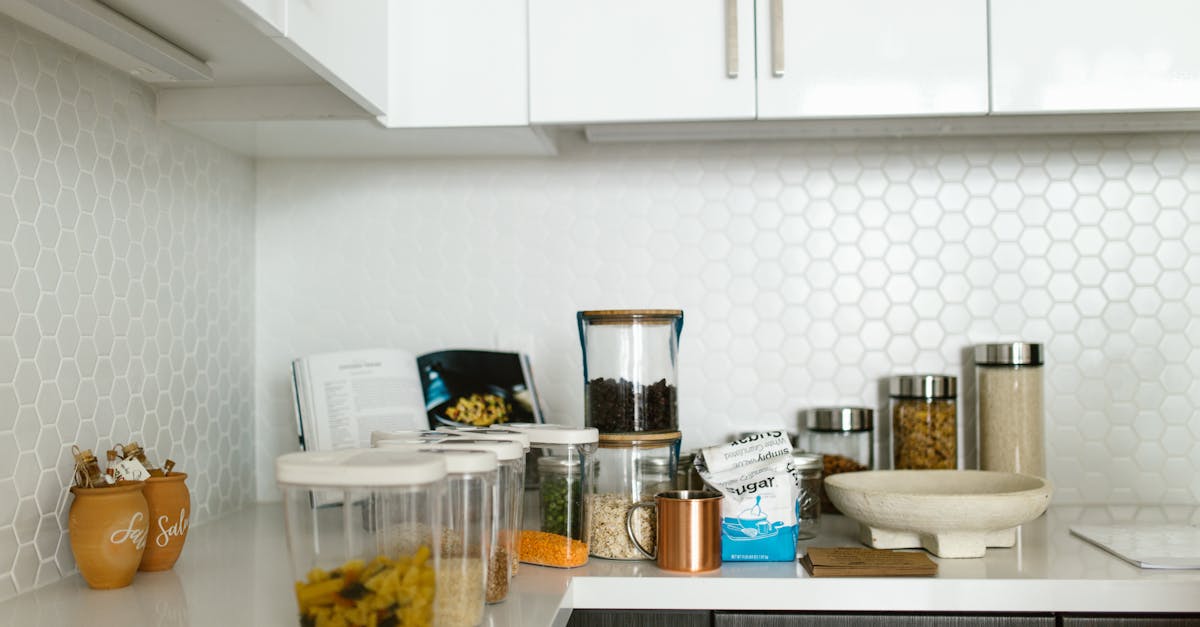
Incorporating storage solutions into your daily life can also significantly reduce clutter. Utilizing baskets, bins, or drawer organizers streamlines the process of finding and storing items. Labeling these containers not only aids in quick retrieval but also reminds you of designated spaces for various belongings. By fostering a habit of returning items to their specific locations, you can ensure that your space remains organized and welcoming.
Incorporating Regular Decluttering Sessions
Establishing a routine for decluttering can significantly enhance your living conditions and mental clarity. Designate specific times each week or month to tackle different areas of your home. This could involve a dedicated hour every Saturday focused on one room or even shorter sessions during weekdays aimed at smaller spaces. Consistency helps create a habit.
To make regular decluttering sessions more enjoyable, consider incorporating music or inviting a friend to join you. Setting a timer can also add a sense of urgency and fun to the process. Break tasks into manageable segments. By focusing on one area at a time, the overall journey becomes less overwhelming and more achievable.
FAQS
What is the 20 minute decluttering method?
The 20 minute decluttering method is a simple and efficient approach to decluttering your space by dedicating just 20 minutes at a time to sort through items and remove unnecessary clutter.
How can I stay motivated while using the 20 minute decluttering method?
Staying motivated can be achieved by setting specific goals for each 20-minute session, celebrating small victories, and reminding yourself of the benefits of a clutter-free environment.
What common challenges might I face when using the 20 minute decluttering method?
Common challenges include feeling overwhelmed by the amount of clutter, difficulty deciding what to keep or discard, and maintaining focus during the short time frame.
What are some solutions to overcome obstacles during decluttering?
To overcome obstacles, try breaking tasks into smaller, manageable sections, seeking support from friends or family, and using timers to keep you focused on the 20-minute limit.
How can I maintain a clutter-free space after using the 20 minute decluttering method?
To maintain a clutter-free space, incorporate regular decluttering sessions into your routine, develop habits for organizing items immediately, and reassess your belongings periodically to prevent future clutter.
Related Links
What should I remove first when decluttering?What is the 7 day decluttering plan?